
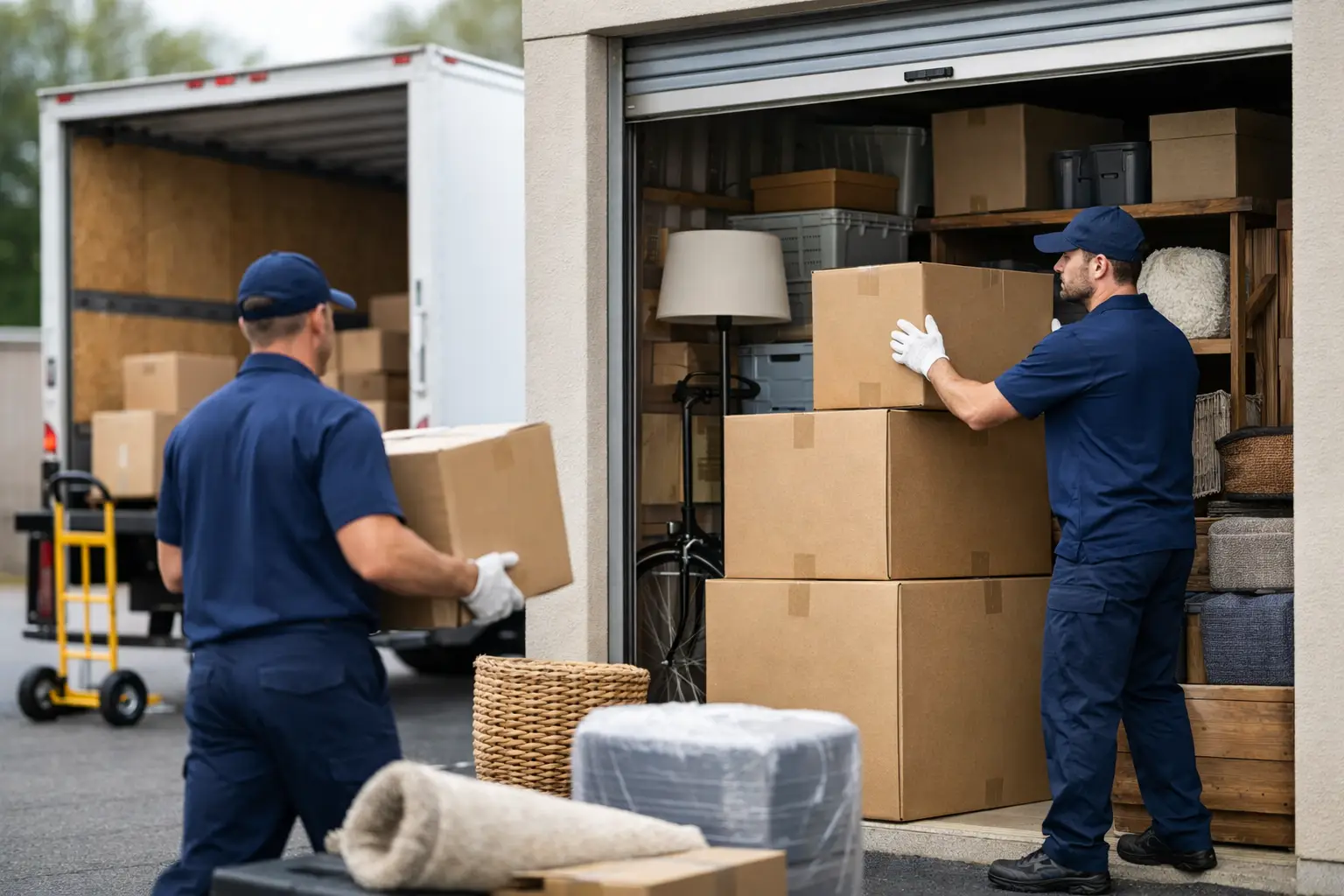
A storage unit can save a move, buy you time between homes, or clear out space during a renovation. It can also turn into an expensive mess if you do not know how to pack a storage unit properly. The difference usually comes down to two things – protecting your belongings and making the unit usable when you need something back.
Most people focus on fitting everything in. That matters, but smart packing is really about access, weight distribution, and damage prevention. If you stack too fast or cram too tightly, you can end up with crushed boxes, warped furniture, and a unit you dread opening.
How to pack a storage unit without wasting space
Start with a plan before the first box goes inside. Measure large furniture, estimate the box count, and decide what you may need to reach later. If holiday decor is staying in storage for a year, it can go in the back. If work files, seasonal clothes, or baby gear may come out sooner, keep them closer to the front.
It helps to think of the unit in zones. Heavy, durable items belong on the bottom and toward the back. Medium-weight boxes can build the center. Fragile and frequently needed items should stay in safer, easier-to-reach spots. A little planning at the start saves a lot of lifting later.
If you are storing items during a move, pack the storage unit in the reverse order of what you will need next. That simple decision keeps you from unloading half the unit just to find one lamp or one file cabinet drawer.
Use the right supplies from the beginning
Good packing starts before the truck is loaded. Uniform boxes stack better than random grocery-store boxes, and strong tape matters more than people expect. Plastic bins can work well for certain items, especially if you want more protection from dust, but they should still be stackable and not overfilled.
Mattress bags, sofa covers, furniture pads, and stretch wrap are worth using for storage. Dust, scratches, and shifting happen even when the unit itself is clean. If you are storing wood furniture, avoid wrapping it tightly in plastic for long periods without breathing room. Fabric covers or moving blankets are usually a safer choice because trapped moisture can create problems over time.
Label every box on more than one side. A top-only label sounds fine until the box is buried in the second row.
Protect your items before they go into storage
A storage unit is not a garage sale drop-off point. Everything should be clean and dry before it goes in. Dirt can stain, food residue attracts pests, and any moisture left inside appliances, coolers, or containers can cause mold and odor issues.
Take extra time with furniture and appliances. Empty refrigerators completely, let them dry, and leave the doors cracked if allowed. Wash and dry patio furniture. Clean wood tables and dressers so grit does not scratch the finish during transport or stacking.
For electronics, remove batteries if possible, use original boxes when available, and avoid placing heavy items on top. For dishes and glassware, wrap each piece and fill empty space in the box so nothing shifts. The goal is not just to avoid breakage on moving day, but to prevent months of pressure damage while items sit in place.
Take apart large furniture when it makes sense
Disassembling furniture usually gives you more room and better protection. Bed frames, table legs, shelving units, and sectional pieces are easier to stack and less likely to snap or wobble when broken down properly.
Keep hardware in sealed bags and tape or tie those bags to the matching item if possible. If not, place them all in one clearly marked box and keep that box near the front. Losing screws for a bed frame is frustrating. Losing them after six months in storage is even worse.
There is a trade-off here. Not every item should be disassembled. Some older furniture becomes weaker when repeatedly taken apart. If a piece feels fragile or unusually heavy, it may be safer to move and store it intact.
Build the unit like a stable room, not a pile
The safest way to pack a storage unit is to create a structure. Start by placing heavy furniture and sturdy boxes along the back wall. Refrigerators, dressers, solid tables, and packed book boxes should go in first. Then work outward and upward with lighter items.
Keep the heaviest boxes on the bottom. That sounds obvious, but people often stack by convenience instead of weight. A crushed box can damage everything below and around it. Stack to a height that feels secure, not just efficient. If a stack leans now, it will not improve with time.
Use vertical space carefully. Shelving can help if you are storing business inventory, files, or many small boxes, but it needs to be stable and positioned well. For most household storage, a consistent wall of similar-sized boxes works better than uneven towers.
Leave a walkway if you may need access
This is one of the most overlooked parts of storage packing. If there is any chance you will return for specific items, leave a narrow center aisle or one side path. That small gap can save hours of unloading and repacking.
Some people avoid walkways because they want every square foot. That can be fine for short-term storage when nothing needs to come out early. But for longer storage or life transitions with unknown timing, accessibility is usually worth the small loss of space.
If space is tight, at least keep one “access wall” near the front with essentials like documents, tools, lamps, seasonal items, or children’s gear.
Know what should not be packed tightly
Not everything belongs in a compressed stack. Lampshades, mirrors, artwork, and upholstered pieces need room and proper support. Mattresses should be stored flat when possible unless the manufacturer allows otherwise. Couches and chairs should not become platforms for sharp or heavy objects.
For mirrors and framed art, store them upright, never flat under weight. Use protective padding and place them where they cannot slide. That may take a little more room, but replacing broken artwork or a cracked mirror costs more than the saved space.
Clothing can go in wardrobe boxes, plastic bins, or vacuum bags depending on the fabric and storage length. Vacuum sealing saves room, but it is not ideal for every textile, especially delicate fabrics that need airflow.
Climate, time, and value all affect the best setup
How to pack a storage unit depends partly on how long items will stay there and what you are storing. A short-term unit between closings is different from long-term storage during a remodel or downsizing. If your items include wood furniture, electronics, artwork, instruments, or family keepsakes, environmental conditions matter more.
In North Texas, heat and humidity can be rough on certain belongings. Even in a well-maintained unit, sensitive items deserve better packing and more thoughtful placement. Avoid pushing everything directly against the walls. A little airflow helps, and it also reduces the risk of unnoticed moisture issues.
For valuable or specialty items, extra protection is worth the cost. That is especially true for pianos, safes, antique furniture, or oversized pieces that are difficult to move twice. In those cases, professional help can prevent damage that DIY loading often causes.
Common mistakes that create problems later
The biggest mistake is treating storage like permanent hiding instead of temporary organization. When boxes are unlabeled, furniture is unprotected, and random items are stuffed into open gaps, the unit fills fast but functions poorly.
Another common issue is overpacking boxes. A large box full of books is hard to lift, hard to stack, and more likely to split. Smaller heavy boxes and larger light boxes are usually the safer combination.
People also forget to protect the floor layer. Pallets, boards, or at least a barrier under sensitive items can help in some situations, especially for long-term storage. It depends on the unit and what you are keeping there, but direct floor contact is not always the best choice for furniture, mattresses, or boxes of paper goods.
When it makes sense to get professional help
If you are storing a few boxes and small furniture, careful DIY packing may be enough. If you are trying to fit the contents of an entire home, dealing with stairs, storing high-value items, or balancing a move on a tight schedule, professional movers can make the process faster and safer.
This is where experience matters. Knowing how to load for stability, protect furniture correctly, and use the full unit without creating damage is not guesswork. A dependable crew can also spot risks you may miss, like weak box stacking, pressure on delicate pieces, or poor placement for long-term storage. For many households, that peace of mind is worth it.
Packing a storage unit well is less about cramming in more and more about making smart decisions before the door rolls down. If you leave yourself with protected belongings, clear labels, and a setup you can actually use later, you will be glad you took the extra time.
