
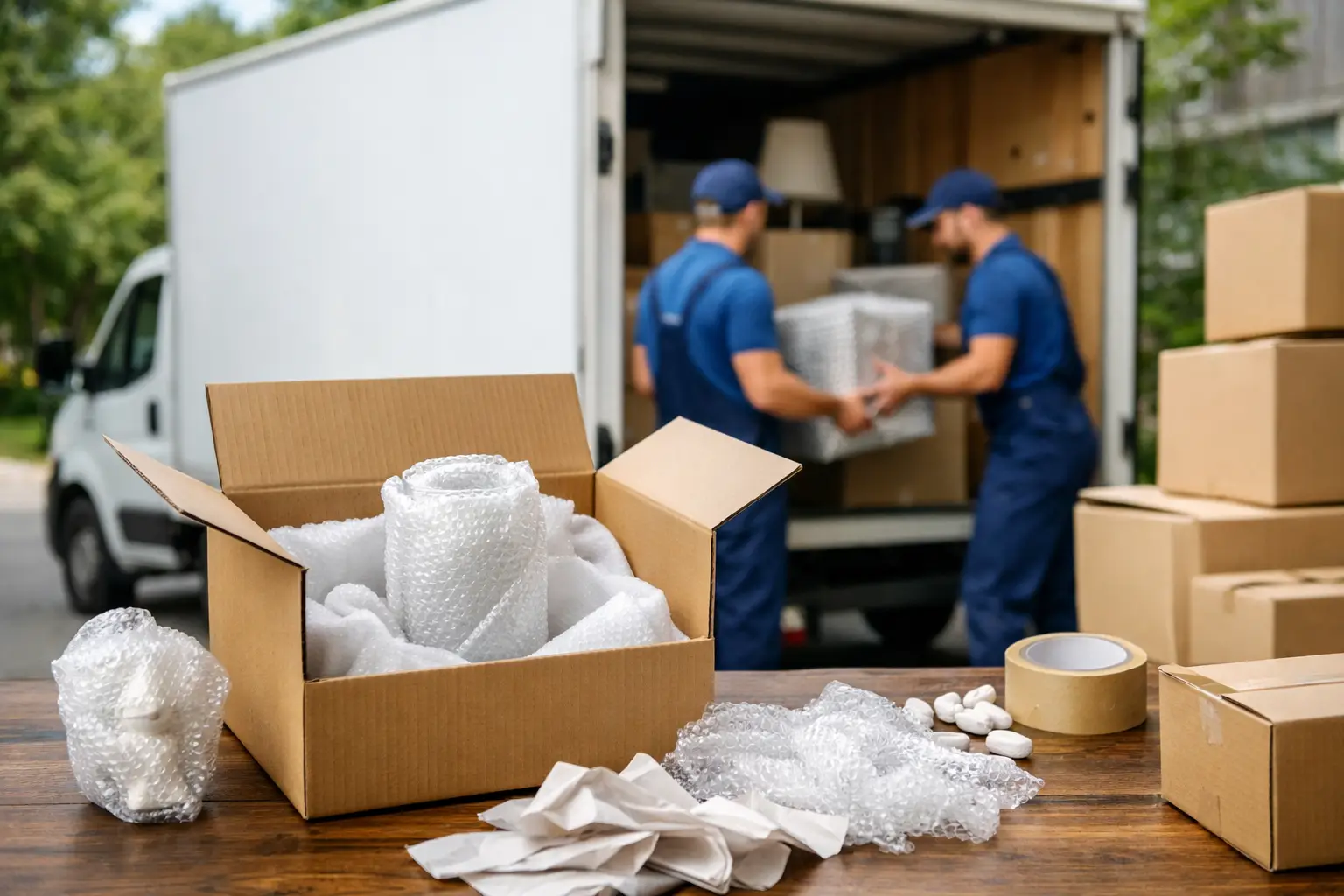
That box marked glassware usually causes more stress than the couch. One hard stop, one loose plate, or one half-filled carton can turn a careful move into an expensive mess. The best way to pack fragile items for moving is not just adding more wrap. It is using the right box, the right padding, and the right packing method for each item.
Fragile packing goes wrong when people rush, reuse weak boxes, or treat every delicate item the same. A wine glass, framed mirror, ceramic lamp, and flat-screen TV do not need the same protection. If you want fewer surprises on moving day, the goal is simple: eliminate empty space, reduce pressure points, and keep items from shifting in transit.
The best way to pack fragile items for moving starts with the right supplies
Packing materials matter more than most people expect. Even careful hands cannot make up for a crushed box or thin paper wrapped around something heavy. If you are packing breakables yourself, start with sturdy moving boxes in the correct sizes. Smaller boxes are usually the safer choice for fragile items because they limit weight and are easier to carry level.
You will also want packing paper, bubble wrap, quality tape, and dividers for stemware or dish packs when needed. Towels and blankets can help in some situations, but they should not replace proper cushioning for highly breakable items. Soft household linens shift more than packing paper and can leave corners exposed.
There is a trade-off here. Specialty materials cost more upfront, but they usually cost less than replacing damaged electronics, serving dishes, or sentimental items. For high-value pieces, the safer option is almost always the better value.
How to pack fragile items without creating weak spots
The biggest mistake is wrapping the item well and then placing it in a poorly packed box. Protection comes from the full system, not one layer of bubble wrap. Every fragile box should have cushioning on the bottom, protection around each item, and enough fill to prevent movement.
Start by taping the bottom seams securely. Then add a layer of crumpled packing paper or another shock-absorbing base. Wrap each item separately. Never let two delicate pieces touch directly, even if they seem sturdy. Once items are inside, fill side gaps and top gaps so the contents stay in place when the box is lifted, tilted, or stacked.
If you close the box and hear movement when you gently shake it, it is not ready. That sound usually means impact damage is one bump away.
Pack heavier fragile items low and lighter items high
Weight distribution matters. Put heavier breakables like serving bowls or ceramic platters at the bottom of the box, with lighter pieces above them. This reduces crushing pressure and keeps the box stable when carried.
What you should not do is overpack one large box with fragile items just to use fewer cartons. A heavy box is more likely to be dropped, stacked incorrectly, or split at the bottom. Several lighter boxes are safer and easier on everyone involved.
Keep items upright when that is how they are strongest
Some items travel better on their edge, not flat. Plates are a good example. Packed vertically with paper between them, they often handle vibration better than when stacked flat. Mirrors, framed art, and glass panels also need upright packing with reinforced corners and snug support.
At the same time, not everything should be forced upright. Lampshades, figurines, and uneven decorative items often need custom cushioning and a stable resting position. The best method depends on shape, weight, and where the weak points are.
Room-by-room guidance for common fragile items
Kitchen items
Dishes, glasses, and small appliances usually make up the largest fragile category in a home. Wrap plates individually and stand them vertically in a dish pack or strong small box. Bowls should be wrapped separately and nested only if there is enough padding between each one.
For glasses and stemware, use plenty of paper inside the bowl of the glass and around the exterior. Divided boxes help, but only if each compartment is fully packed. Empty space inside a divider is still empty space.
Small kitchen appliances need a different approach. Remove loose parts, wrap cords separately, and protect glass sections or screens. If you still have the original box with molded inserts, that is often the safest choice.
Picture frames, mirrors, and wall decor
Glass-front frames and mirrors break at the corners first. Use corner protectors if available, then wrap the piece in paper and bubble wrap. Flat items should go into mirror cartons or telescoping picture boxes sized closely to the item.
Tape should never touch the surface of artwork or the front of a frame directly. For especially valuable art, antiques, or oversized mirrors, professional packing is usually the safer route. These pieces are awkward to move and easy to crack under uneven pressure.
Lamps, decor, and collectibles
Lamps should be taken apart before packing. Remove bulbs, shades, and detachable hardware. Bases should be wrapped separately from shades, since the weight difference can cause damage if they travel together.
Collectibles need patience. Wrap each piece individually and avoid stacking unless the item is specifically designed for it. If something is fragile and sentimental but not especially valuable in resale terms, treat it like high value anyway. Emotional value matters when deciding how cautious to be.
Electronics and TVs
Original packaging is ideal for TVs, monitors, and delicate electronics because it supports the item at the strongest points. If that packaging is gone, use a box built for the screen size and add foam or structured padding rather than loose fill alone.
Cords, remotes, mounts, and accessories should be bagged and labeled. Screens should never sit where other items can press against them during the move. This is one category where guessing can get expensive fast.
Labeling helps, but it does not replace proper packing
A box marked FRAGILE is useful, but it is not a protective system. It tells movers and helpers to pay attention, but the real protection still comes from the packing itself. Label boxes clearly on more than one side and include which room they belong in.
If the box contains items that must stay upright, mark that too. Just be realistic. During loading and unloading, boxes will still be handled quickly and stacked with efficiency in mind. Labels help guide care, but they cannot fix poor packing.
When to use extra caution with high-value or difficult items
Some items should make you stop and ask whether DIY packing is worth the risk. Large mirrors, marble-top furniture, antique china cabinets, grandfather clocks, pianos, and specialty pieces with glass or internal mechanics usually need trained handling. The same applies when the item is fragile and heavy at the same time.
That is often where people get into trouble. A lightweight wine glass is delicate, but manageable. A heavy stone table with a brittle edge is a different problem altogether. Protective wrapping is only part of the job. Proper lifting equipment, truck placement, and secure transport matter just as much.
For households in Fort Worth and across DFW, this is often the point where professional packing support makes sense. A fully insured moving team can help reduce the risk on items that are expensive, awkward, or simply too important to chance.
Common mistakes that lead to damage
Most breakage comes from a short list of avoidable issues. People use oversized boxes, skip bottom cushioning, leave empty gaps, mix heavy and delicate items carelessly, or rely on newspaper that transfers ink and offers minimal protection. Another common problem is waiting until the last night to pack fragile rooms like the kitchen or home office.
Speed creates bad decisions. If you are tired, you start combining unlike items, reusing damaged cartons, or assuming one layer of wrap is enough. Fragile packing rewards patience more than muscle.
Should you pack fragile items yourself or hire help?
It depends on what you own, how much time you have, and how comfortable you are with the risk. If you are packing everyday dishes, standard decor, and basic glassware, many people can handle that themselves with the right materials and enough time.
If you are dealing with antiques, specialty items, expensive electronics, or a tight moving timeline, hiring professionals is often the more practical choice. It can also be the more affordable choice once you factor in damaged items, replacement costs, and the stress of repacking something you are not confident about.
Great White Moving Company Fort Worth sees this firsthand on moving day. The homes with the fewest fragile-item problems are usually the ones that packed early, used proper materials, and got help with the items that required more than basic wrapping.
If you want your fragile items to arrive in one piece, think less about packing faster and more about packing smarter. A carefully packed box takes a few extra minutes now, but it can save you from opening the truck to a problem you cannot undo.
