
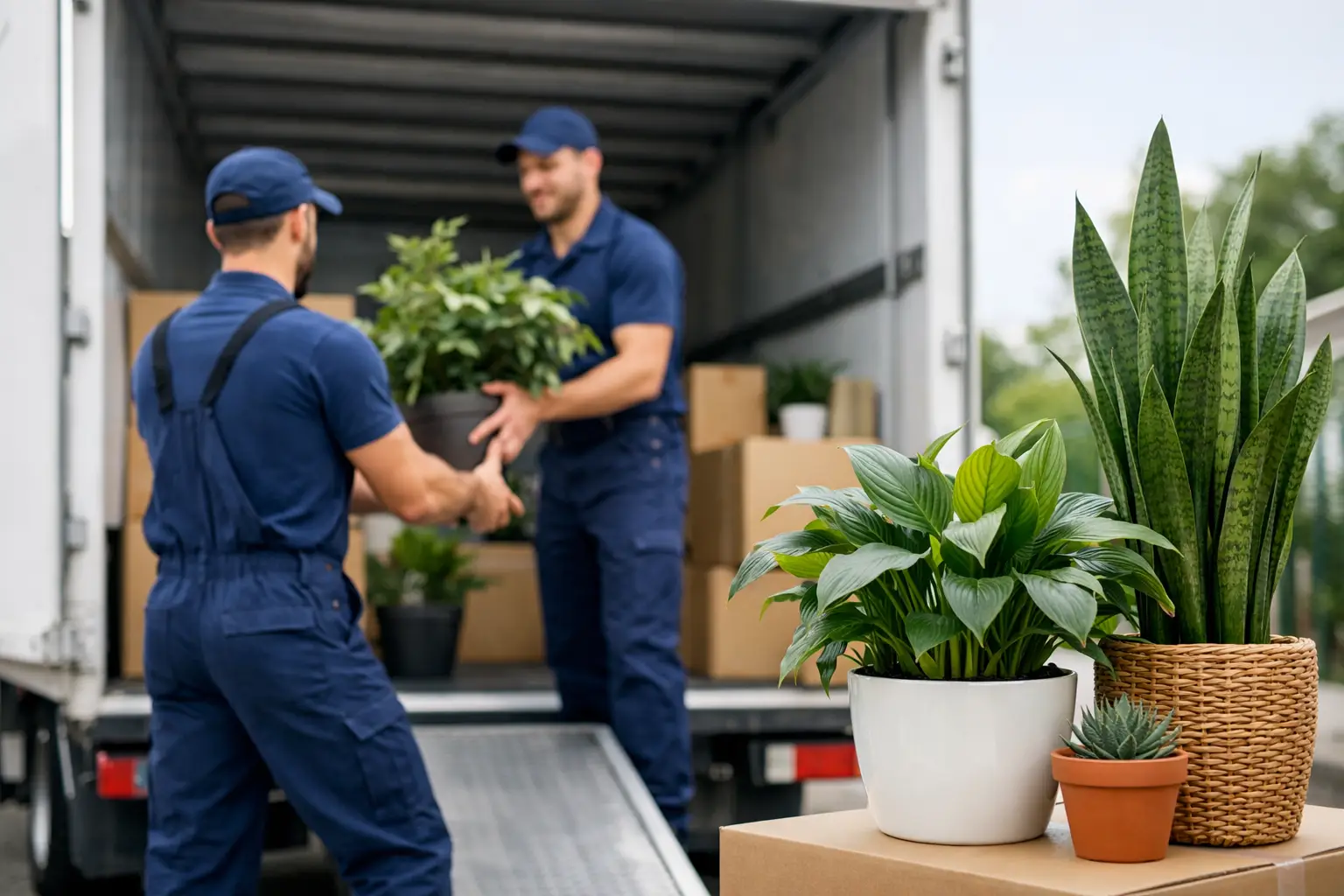
A lot of people remember the couch, the boxes, and the TV – then look over at a fiddle leaf fig or a row of patio plants and realize they never asked the moving company about them. If you are wondering, do movers transport plants, the honest answer is: sometimes, but not always.
Plants sit in a gray area during a move. They are personal belongings, but they are also living things that react badly to heat, cold, rough handling, and time in a truck. That means many movers will transport plants on local moves, while others limit or refuse them altogether, especially on long-distance jobs.
Do movers transport plants on every move?
No. Some moving companies will move plants locally if the conditions are reasonable and the customer understands the risk. Others will not include plants at all because they are fragile, messy, and difficult to insure in a meaningful way.
The biggest issue is liability. A moving company can protect furniture with pads, straps, and careful loading, but it cannot fully control whether a plant wilts, loses leaves, spills soil, or goes into shock. Even a healthy plant can look rough after a few hours in a hot truck. For that reason, many movers classify plants as items transported at the owner’s risk or ask customers to move them personally.
This matters even more on long-distance moves. State agriculture rules may restrict certain plants, soils, or outdoor greenery from crossing state lines. A mover may be willing to help with a local relocation in Fort Worth or elsewhere in DFW, but that does not automatically mean the same plant can go on a long-haul route to another state.
Why movers are careful about transporting plants
From a customer’s point of view, a plant may seem easier to move than a dresser. In practice, plants create a few problems that furniture does not.
First, they are sensitive to temperature. The inside of a moving truck is not climate controlled the way a home or passenger vehicle is. Texas weather alone can make plant moving tricky. A truck that feels fine for boxes and dining chairs may be far too hot for a peace lily or too cold for tropical plants during a winter cold snap.
Second, plants shift. Pots are heavy at the bottom, leaves break easily, and branches can snap if something presses against them. Soil can spill during loading, transit, or unloading, which creates cleanup issues and can affect other items in the truck.
Third, pests and moisture are concerns. Outdoor plants may carry insects, and damp soil can create mess or mildew risk around packed household goods. Professional movers work hard to protect your furniture and cartons, so anything that raises the chance of damage gets extra scrutiny.
When movers are most likely to transport plants
If you are asking whether do movers transport plants for local residential moves, the answer is more likely yes – but with conditions.
A short in-town move gives the plants a better chance because they spend less time in transit. Smaller houseplants in sturdy, lightweight containers are usually much easier to accommodate than large ceramic pots, hanging plants, thorny shrubs, or oversized outdoor planters.
Movers may also be more open to transporting plants when they are prepared properly. Clean pots, dry soil, manageable sizes, and secure placement all make a difference. If a plant is leaking water, dropping loose dirt, or too top-heavy to stabilize, the crew may ask you to take it in your own car instead.
The simplest rule is this: ask before moving day. A good company will tell you its policy clearly, explain any limits, and help you plan around them. That kind of communication prevents last-minute surprises and keeps the rest of the move running smoothly.
When you should move plants yourself
Even if a mover allows plants, there are times when handling them personally is still the smarter option.
If the plant is rare, expensive, sentimental, or temperamental, keep it with you. The same goes for small plants that fit easily in a car, anything recently repotted, or anything that has struggled with health issues. A mover can transport a lot of things safely, but your own vehicle gives you more control over temperature, sunlight, and handling.
This is especially true for long-distance moves. Hours on the road, overnight delays, and changing weather are hard on living plants. If you are moving several states away, you may decide to transport only your favorites and rehome the rest. That can be a better outcome than trying to force every plant through a move it may not survive.
How to prepare plants before moving day
If your mover agrees to take plants, preparation matters. Water them lightly a day or two before the move, not right before loading. Wet soil is heavier, messier, and more likely to spill.
Check for dead leaves, broken stems, and pests. Prune damaged growth and wipe down dusty leaves so the plant is easier to handle. For larger plants, you can gently tie back loose branches with soft ties to reduce breakage. If a plant is in a fragile decorative pot, consider moving it into a basic plastic nursery pot before the move.
You should also think about weight. Large ceramic containers can be difficult and risky to lift, even for professional movers. In some cases, it makes sense to remove the plant from an especially heavy outer planter before moving day. That protects both the plant and the crew.
For taller plants, place a breathable bag or light covering around the foliage for transit if needed, but avoid wrapping anything too tightly. Plants need airflow, and tight plastic can trap heat fast.
Questions to ask your moving company
The most useful conversation is a direct one. Before booking, ask whether the company transports houseplants, whether there are restrictions on outdoor plants, and whether plants travel at your own risk.
You should also ask how the crew prefers them to be prepared, whether there are size limits, and whether weather conditions could affect the plan. If your move crosses state lines, ask whether there are agricultural restrictions that could apply.
A dependable mover will not give you vague answers. They will explain the policy in plain terms so you can decide what stays with the truck and what rides with you.
What to expect on moving day
If plants are included, they are usually loaded last or near the end so they can be unloaded sooner. They should never be crushed under boxes or wedged into a space where leaves and stems will be bent all day.
Still, even with careful handling, plants are not like furniture. Some leaf drop, minor stress, or cosmetic damage can happen. That does not always mean the move was mishandled. Plants often react to any change in light, temperature, and environment.
Once you arrive, unload them promptly and give them a chance to adjust before watering heavily or repotting. A quiet spot with stable light and temperature helps more than overcorrecting right away.
The bottom line on whether movers transport plants
Do movers transport plants? Many do on local moves, some do with restrictions, and plenty prefer that customers handle them personally. The answer depends on distance, weather, plant size, state rules, and company policy.
That is why clear communication matters as much as careful packing. At Great White Moving Company Fort Worth, we believe a stress-free move starts with honest answers before the truck arrives. If plants are part of your move, ask early, make a plan, and treat them like the special cargo they are. A little preparation now can save you a lot of frustration when you are settling into your new place.
