
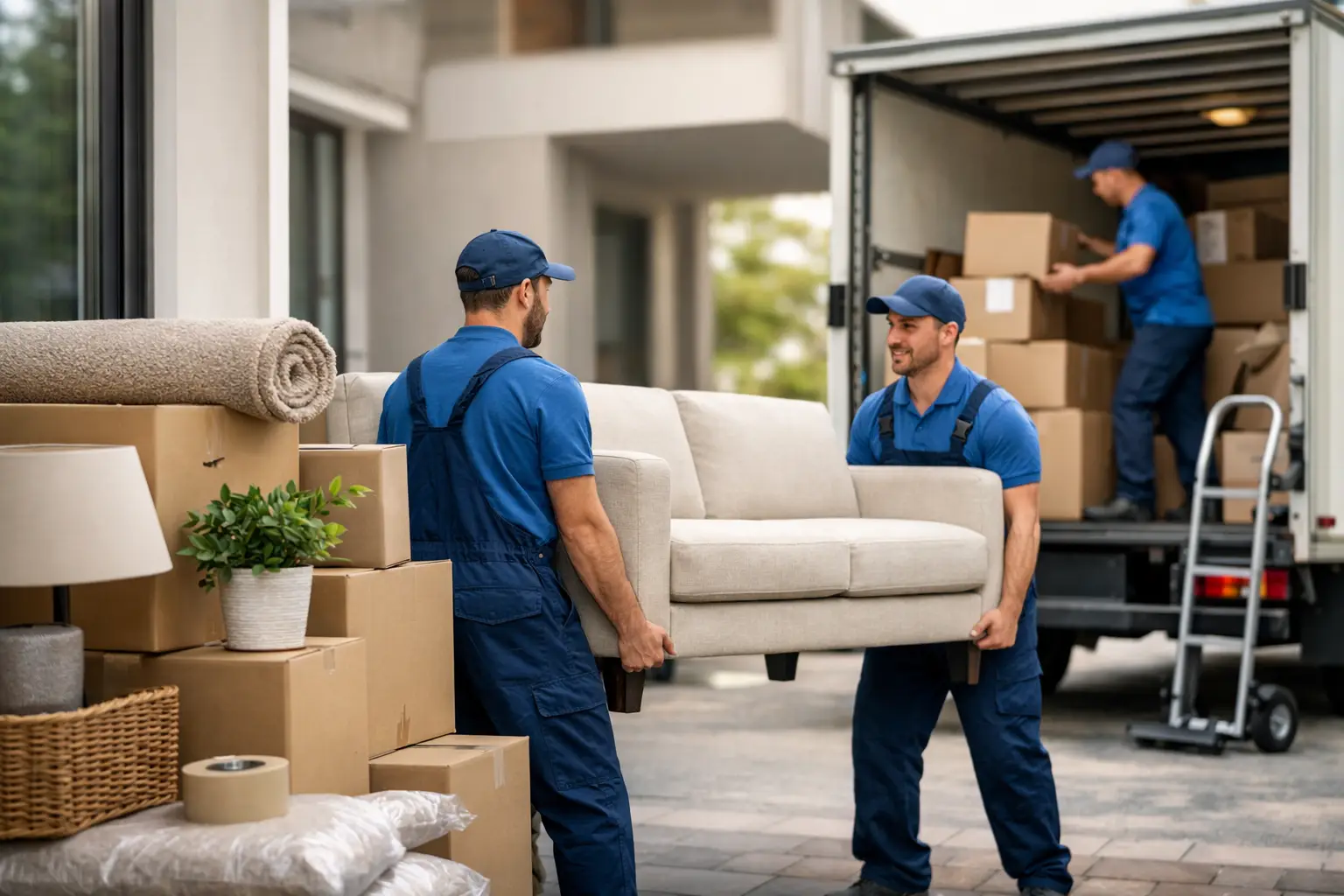
Apartment moves usually go sideways in the same places – the elevator window runs short, the hallway is tighter than you remembered, and the boxes you meant to label all look exactly the same. The best apartment moving hacks are the ones that prevent those problems before moving day starts, not the ones that try to fix them in the parking lot.
If you’re planning a move from or into an apartment, efficiency matters more than perfection. You do not need a complicated system. You need a plan that keeps the building rules, the parking situation, your fragile items, and your timeline under control.
The best apartment moving hacks start before you pack
A good apartment move is usually won three to seven days before the truck arrives. That is when you confirm the elevator policy, reserve loading access if the building allows it, and ask management about move-in or move-out time restrictions. Some complexes in the DFW area allow only certain moving windows, and some require a certificate of insurance from the moving company. If you wait until the day before, simple paperwork can become a real delay.
It also helps to walk your route before the move. Measure your sofa, bed frame, and dining table, then compare those numbers to stairwells, elevator doors, and sharp hallway turns. This sounds basic, but it is one of the most useful ways to avoid damage and wasted labor time. If a large item will need disassembly, deciding that early keeps the move on schedule.
Another smart step is creating a short inventory by room. Not a detailed spreadsheet – just enough to know how many boxes, large furniture pieces, and specialty items are going. That makes it easier to estimate time, choose the right truck size, and decide whether you need professional packing help for breakables or awkward pieces.
Pack for the building, not just the box
A lot of packing advice is too generic for apartment living. In a house move, boxes may go from one wide doorway to another. In an apartment, they may need to travel through elevators, shared halls, concrete stairs, and long walks from the truck. That changes how you should pack.
Keep boxes smaller than you think you need. Heavy oversized boxes slow everything down and are more likely to split when carried over distance. Books, dishes, pantry goods, and cleaning supplies should go into small boxes. Medium boxes work better for most mixed household items. Large boxes are best for lightweight things like bedding, pillows, and lampshades.
Use the room-plus-priority labeling method. Write the room on every box, then add one clear word that tells you how fast you need it: Open First, Daily Use, Fragile, or Storage. When movers or helpers are unloading into a smaller apartment, that extra label prevents your must-have items from being buried behind seasonal decor.
For dresser drawers, there is a trade-off. Leaving clothing in lightweight drawers can save time, but only if the furniture is sturdy and the drawers are not overloaded. With cheaper particleboard pieces, removing drawers often protects the frame and makes carrying safer. The right call depends on the furniture itself, not just the time you want to save.
Apartment moving hacks that save time on moving day
The most effective apartment moving hacks are often the least flashy. They work because they remove friction from every trip in and out of the building.
First, pack one “doorway kit” and keep it with you, not in the truck. It should have box cutters, tape, paper towels, a basic tool set, phone chargers, medications, keys, wallet, and building paperwork. If anything gets delayed, you are still covered.
Second, use clear bins for the first-night essentials. A cardboard box labeled Bedroom can disappear into a stack. A clear bin with sheets, towels, toiletries, coffee supplies, and a change of clothes is easier to spot and unload first.
Third, protect the path, not just the furniture. If you are moving plants, cleaning products, or anything that could leak, bag those items before they leave the unit. One spilled bottle in a common hallway or elevator creates a bigger problem than a damaged box.
Another strong time-saver is grouping hardware by item. Put screws, bolts, and brackets in sealed bags and tape them directly to the furniture they belong to, or keep them in one marked container if taping is not practical. Bed frame hardware lost in transit can turn a long day into a late-night problem.
If you have kids or pets, try to arrange off-site care during the main loading and unloading window. That is not just about convenience. Apartment moves involve open doors, moving equipment, and repeated trips through shared areas. Reducing distractions makes the process safer for everyone.
Tight spaces change how furniture should be handled
Apartment moving is not simply a smaller version of moving a house. It often requires more precision. Narrow stairwells, low railings, and limited turning space can make ordinary furniture surprisingly difficult to move without scuffs, dents, or strained backs.
That is why padding matters. Furniture blankets, shrink wrap, and proper lifting straps are not extras when you are working through a compact building. They protect corners, reduce shifting, and help crews keep a secure grip when maneuvering through tight spaces. If you are hiring movers, this is one of the clearest differences between a fully insured professional crew and an improvised move with borrowed equipment.
Large items also need to be staged in the right order. In an apartment, it is usually smarter to move bulky furniture first while pathways are open, then follow with boxes and smaller items. If the truck gets loaded in the wrong sequence, crews may spend extra time shifting contents around to reach the sofa, mattress, or appliance that should have gone in first.
For especially difficult pieces such as safes, pianos, pool tables, or oversized sectionals, do not guess. Specialty items require the right equipment and trained handling. Trying to save money there can easily create repair costs that are much higher than the move itself.
How to avoid the most common apartment move mistakes
The biggest mistake is underestimating access. People plan for packing but forget the logistics of gates, parking, stairs, and elevator reservations. A close second is waiting too long to sort what should not be moved at all. Apartment space is limited, and moving unwanted items costs time and money.
Another common issue is packing valuables and documents too loosely. Lease paperwork, IDs, passports, jewelry, backup drives, and cash should travel with you. They should not be mixed into random desk boxes or kitchen bins.
It is also worth being realistic about timing. A small one-bedroom apartment can still take longer than expected if there is a long carry from the truck, no elevator, or poor weather. Hourly moves can be cost-effective, but efficiency depends on preparation. When customers want predictable costs, transparent quotes and a clear scope of work make a difference.
If you are hiring help, ask detailed questions about insurance, equipment, stair fees, travel charges, and whether disassembly or reassembly is included. Straightforward pricing matters because apartment moves have enough variables already. Hidden charges only add stress to a day that needs the opposite.
When professional movers make the biggest difference
Some apartment moves are manageable with friends and a rental truck. Some are not. Third-floor walk-ups, luxury buildings with strict move windows, multi-stop moves, and homes with specialty items usually benefit from a professional crew.
A reliable mover helps in ways that are easy to overlook until the day gets difficult. They know how to load for stability, protect furniture in narrow spaces, and keep the job moving without unnecessary downtime. They also bring a level of accountability that matters when your furniture, electronics, and personal belongings are in transit.
For renters and families who want fewer surprises, insured moving services and clear communication are often worth more than shaving a little off the upfront price. Great White Moving Company Fort Worth works with apartment moves where timing, careful handling, and building logistics all matter, which is often exactly what makes these moves harder than they look on paper.
A better move usually comes down to fewer last-minute decisions
The best apartment moving hacks are not about gimmicks. They are about reducing the number of decisions you have to make when the truck is waiting and the clock is running. Confirm the building rules early, pack for distance and tight spaces, label for priority, and get help when the move involves real complexity.
That approach saves more than time. It protects your belongings, lowers stress, and gives you a much better shot at ending the day with a livable home instead of a pile of boxes and regrets. If you can make moving day feel boring, you probably planned it right.
