
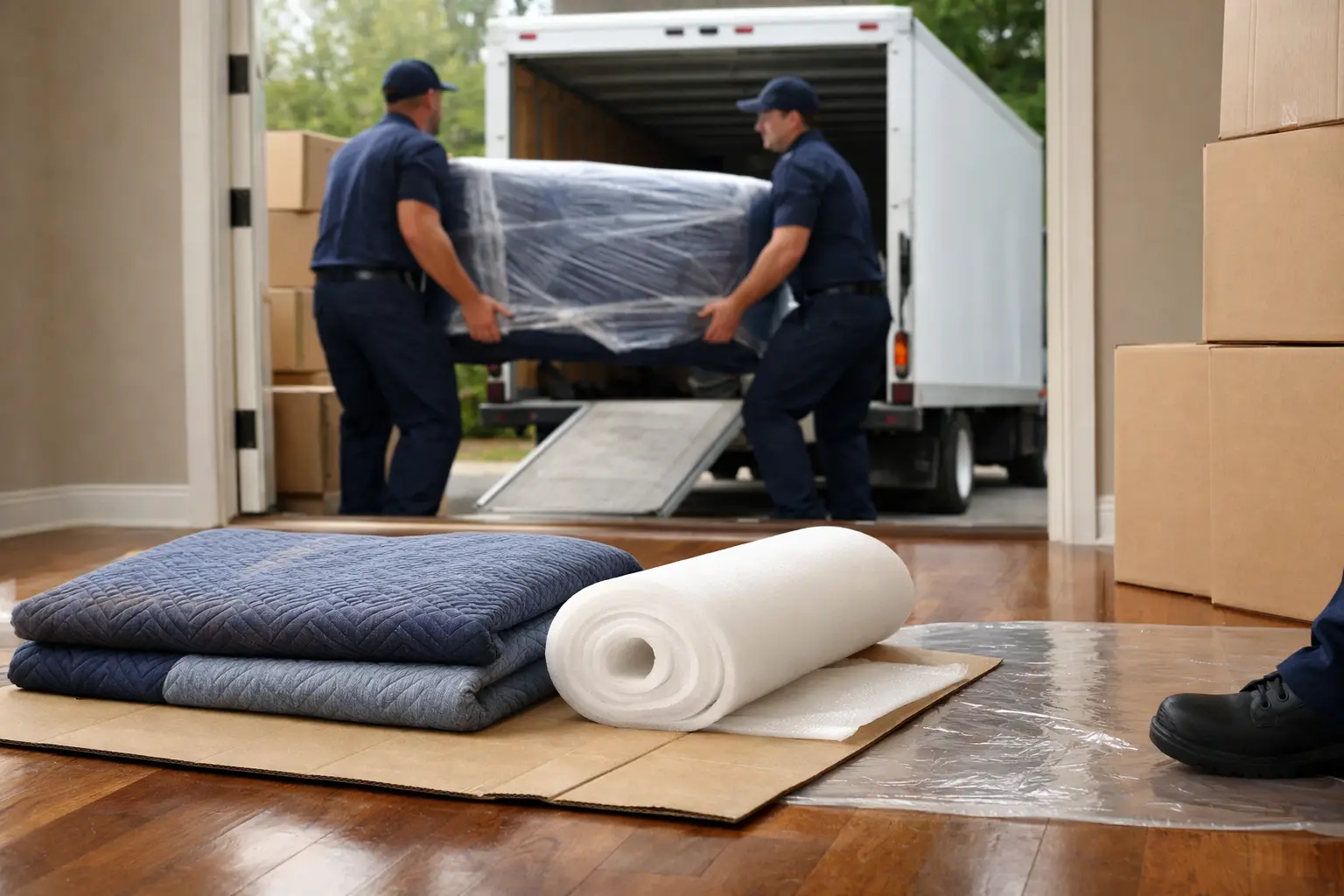
One dragged dresser leg can leave a mark that outlasts the entire move. If you’re figuring out how to protect hardwood floors, the right plan starts before the first box comes through the door. Hardwood looks great, but during a move it is exposed to some of the toughest conditions it will see – heavy traffic, sharp edges, grit from outside, and furniture weight concentrated in the wrong spots.
The good news is that most floor damage is preventable. You do not need a complicated setup, but you do need the right materials, a clear path, and a crew that treats your home carefully. The biggest mistakes usually come from rushing, using the wrong protective covering, or assuming a few old blankets on the floor will do the job.
How to protect hardwood floors before moving day
Start with a clean floor. That sounds minor, but dust, sand, and tiny bits of debris can act like sandpaper once people start walking over them. Sweep thoroughly and use a hardwood-safe cleaner if needed, making sure the surface is completely dry before any protection goes down.
Next, look at the route your furniture will take. This includes entryways, hallways, stairs, and tight turns near bedrooms or dining areas. Hardwood floors often get damaged in transition points, especially around front doors where dirt and moisture come in from outside. If the move happens during wet weather, the risk goes up fast.
Choose protection based on the type of traffic your floor will handle. For light foot traffic, a non-staining floor runner or rosin paper may be enough. For active moving with dollies, stacked boxes, and large furniture, you need something stronger. Heavy-duty floor protection boards or contractor-grade coverings give better resistance against punctures and deep scuffs.
Avoid plastic sheeting directly on hardwood for extended periods, especially if there is any chance of trapped moisture. Plastic can also slide, which creates a safety issue. Tape is another place people get into trouble. Standard tape can pull at the finish or leave adhesive behind. If you need to secure protective material, use painter-safe tape and keep it off the wood surface whenever possible.
The best materials to use on hardwood floors
Not all floor coverings are equally safe for wood. The best option depends on how much weight and movement the floor will handle.
Rosin paper is a common choice because it is affordable, breathable, and fairly easy to lay down. It works well for general foot traffic, but it is not the best defense against very heavy furniture. If a refrigerator, safe, or oversized sofa is crossing the floor, rosin paper alone may not be enough.
Floor runners with a slip-resistant backing are useful in high-traffic paths. They help with dirt control and reduce wear from repeated trips in and out of the house. For short moves, they can be a practical middle ground between basic paper coverage and full hard-surface protection.
For heavier jobs, rigid floor protection boards offer the most security. They spread weight more evenly and hold up better under dollies and loaded hand trucks. This matters if you are moving large appliances, office furniture, or specialty items. The trade-off is cost and setup time, but if your hardwood is in excellent condition or recently refinished, extra protection is usually worth it.
Moving blankets can help, but they are better for wrapping furniture than covering floors. On the floor, they bunch up, shift underfoot, and can trap debris underneath. Used alone, they are a weak solution.
Furniture is usually the real problem
People often focus on shoes and boxes, but furniture causes the most expensive damage. A sectional being pivoted in a hallway or a bed frame set down too hard can dent hardwood quickly.
The safest approach is to lift and carry whenever possible. Sliding furniture across hardwood is risky even if the piece feels light. Felt pads can help for everyday use, but during a move they are not a guarantee. Pads can pick up grit, fall off, or compress under heavy weight.
Disassemble large items before moving them. Removing legs from tables, taking apart bed frames, and separating modular furniture reduces awkward angles and cuts down on accidental scraping. It also makes it easier to move through tight spaces without banging corners into walls or dropping weight onto one spot on the floor.
Use the right equipment for heavy items. Dollies can save time and reduce strain, but only if they are used correctly. Hard wheels or overloaded dollies can mark wood flooring. A dolly should roll over protected surfaces, not directly over exposed hardwood. For especially heavy items like pianos, gun safes, or pool tables, proper equipment and trained handling matter a lot more than brute force.
Shoes, dirt, and moisture matter more than most people expect
If you want a realistic answer to how to protect hardwood floors, start at the front door. Moving day creates constant traffic between the truck and the house. That means gravel, mud, and water keep coming in unless you control it.
Set up entry mats outside and just inside the door. This catches a surprising amount of dirt before it reaches the wood. If weather is bad, keep extra towels nearby and wipe up moisture right away. Hardwood does not respond well to standing water, even for a short period.
It also helps to limit who uses which entrance. When possible, keep movers and helpers on one main route instead of letting people cut through different rooms. A controlled traffic path makes protection easier and keeps the rest of the flooring from taking unnecessary wear.
Shoe covers can be useful in some situations, but they are not always ideal during active moving because traction matters. A better balance is using clean, dry shoes and well-protected pathways.
Common mistakes that damage wood floors
Some of the worst damage comes from well-meaning shortcuts. One example is putting adhesive tape straight onto hardwood finish. Another is laying protection over a dirty floor, which traps abrasive grit underneath. Once people walk over that surface all day, the debris gets ground into the finish.
Another mistake is underestimating concentrated weight. A loaded box may be fine, but a stack of boxes left in one spot for hours can leave pressure marks, especially on softer wood species. The same goes for appliance corners and metal furniture feet.
Rushing the final stage of the move is also a problem. People are often careful while bringing things in, then start sliding furniture a few inches to adjust the room layout. Those last-minute movements are where many scratches happen.
Protecting hardwood floors after the move
Protection does not stop once the truck is empty. The first few hours after the move are when people start rearranging, opening boxes, and shifting heavy pieces into their final spots.
Before placing furniture, check that felt pads are clean and properly attached. For heavy pieces, use wide pads that spread weight better. Avoid setting damp boxes, plants, or cold drink containers directly on the floor. Moisture rings and finish damage can show up fast.
Once everything is in place, remove temporary floor coverings carefully. Do not yank tape or drag dirty protection materials across the wood. Sweep again to remove grit that may have slipped in during the move.
If you notice a light scuff, it may be cosmetic and easy to address. Deeper gouges or dents are different. Those usually come from impact or dragging and may need professional repair. Catching smaller issues early can keep them from becoming more visible over time.
When professional help makes the biggest difference
If you are moving out of or into a home with hardwood throughout, careful handling is not a bonus – it is part of protecting your investment. Professional movers with the right floor protection materials, lifting techniques, and equipment reduce the chance of damage in ways that last-minute DIY fixes usually cannot.
That is especially true for larger homes, multi-story layouts, apartment moves with tight hallways, or jobs involving specialty items. In those cases, protecting the floor is tied directly to how the entire move is managed. A dependable crew should think through pathways, weight distribution, and room setup before moving the biggest pieces.
For homeowners and renters across the DFW area, that kind of preparation can save money and stress at the same time. A floor repair after a move is frustrating because it often comes from preventable mistakes, not unavoidable wear.
Hardwood floors hold up well when they are treated with a little planning and a lot of care. If you keep the surface clean, protect the traffic path, lift instead of drag, and stay ahead of moisture, your floors have a much better chance of looking the same after the move as they did before it.
