
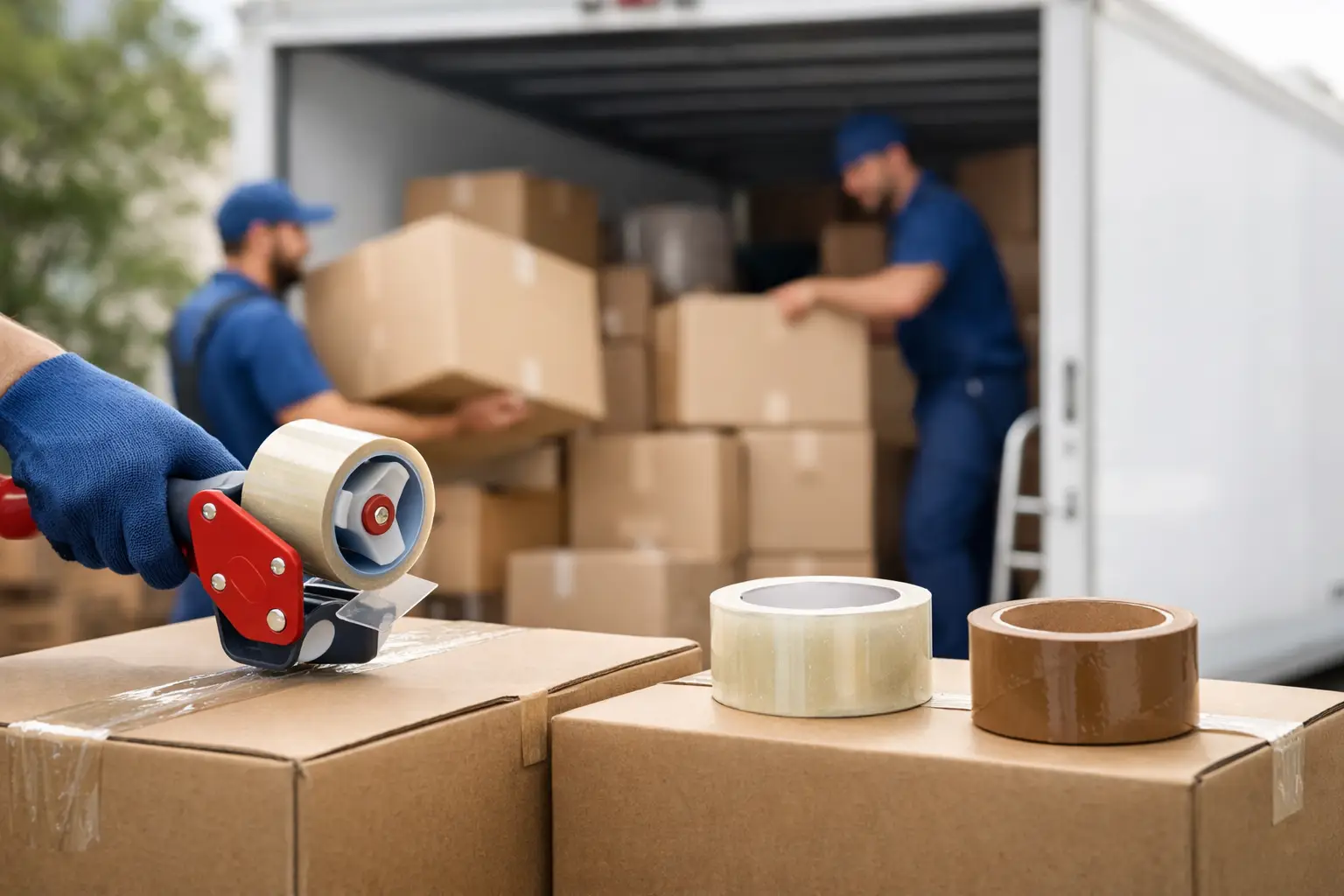
A box rarely fails because the cardboard was weak. More often, it fails because the tape gave out at the worst possible moment – halfway down the driveway, on a stair landing, or during loading. That is why a practical packing tape review matters. If you are packing for a local move or a long-distance haul, the wrong tape can turn a manageable day into broken dishes, split cartons, and wasted time.
Most people buy tape by price first and think about performance later. That usually works for gift wrapping, not for moving. Moving boxes deal with weight, shifting contents, heat in garages or truck trailers, and rougher handling than people expect. Good packing tape should keep a seal under tension, stick to cardboard without constant re-pressing, and resist peeling when a box is full and under load.
What a packing tape review should actually judge
A useful packing tape review is not just about whether the roll feels sticky in your hand. The real question is whether it holds after the box is packed, lifted, stacked, and moved. Tape that seems fine for the first ten minutes can start lifting at the seams once the box sits overnight or gets exposed to warm air.
The first thing to look at is adhesive quality. Acrylic adhesive is common and often more affordable, but it can be less forgiving on dusty cardboard or in colder conditions. Hot melt adhesive usually grabs faster and sticks more aggressively, which is why many movers prefer it for heavy-use packing. Neither is automatically better in every situation. If you are sealing standard household boxes in a climate-controlled room, acrylic may be enough. If you are packing garage storage, kitchen dish packs, or heavier boxes, hot melt usually gives you more confidence.
Film thickness matters too. Thin tape may look fine on the roll, but it stretches, wrinkles, and splits more easily when applied under pressure. Thicker tape tends to apply more cleanly and gives a stronger seal, especially across the center seam and bottom flaps. That does not mean the thickest roll is always the best buy. Some low-cost tapes compensate with bulk but still use weak adhesive. The better measure is how the tape performs once a loaded box is lifted by the bottom.
Clear tape versus heavy-duty moving tape
This is where many people get tripped up. Standard clear shipping tape and heavy-duty moving tape can look similar on the shelf, but they are not always built for the same job. A lighter roll might work well for mailing a small package. That does not make it the right choice for a medium box full of books or pantry items.
Heavy-duty moving tape usually has a stronger adhesive and a thicker backing. It is designed to stay put when boxes flex slightly under weight. That extra hold can save time because you are not doubling every seam or patching failures after the fact. For a one-bedroom apartment move with light contents, a decent standard shipping tape may be enough. For family homes, office moves, or boxes carrying fragile items, heavier tape is usually worth the extra cost.
There is a trade-off, though. Stronger tape can be harder to reposition if you apply it crooked, and some brands are louder or tougher to cut by hand. That is annoying, but it is still better than tape that lets go once the truck is loaded.
What tape holds best on moving day
In real moving conditions, consistency matters more than marketing claims. The best-performing tapes usually do three things well. They unwind without constantly shredding, they stick on the first pass, and they stay sealed even when the box corners shift slightly.
A tape that is too brittle becomes frustrating fast. It may split while dispensing or bunch up before it reaches the end of a seam. A tape that is overly stretchy can feel strong at first but may lift later because the application was uneven. The sweet spot is a tape with enough body to lay flat and enough adhesive to bond quickly to corrugated cardboard.
If you are packing valuable household items, the bottom seal is the test that matters most. A proper H-tape method, where you run tape across the center seam and then over both edge seams, works best when the tape itself has real holding power. Weak tape forces you to use more strips, which raises cost and still may not fix the underlying problem.
Cheap tape usually costs more than it saves
Budget tape feels like a small place to save money, especially when moves already come with enough expenses. But this is one of those products where the low sticker price can create bigger problems. Cheap tape often requires multiple passes to get the same hold. That means more material used, more time packing, and more risk that a seal still fails.
It also tends to perform worse on recycled cardboard, which is common in moving. Used boxes can have dust, minor surface wear, or slight texture changes that challenge weak adhesives. Better tape handles that better. It also reduces the need to re-tape boxes after they have been sitting for a day or two.
For most households, the smartest approach is not buying the most expensive roll available. It is buying tape made specifically for moving or shipping heavy cartons, then using it correctly. That balance usually gives you the best value.
The dispenser matters more than people think
Even a good roll of tape becomes a headache without a decent dispenser. Hand-tearing tape often creates wrinkles, uneven pressure, and wasted strips. A simple tape gun helps apply smoother, firmer seals and speeds up packing significantly.
This matters if you are packing an entire house over several days. Fatigue leads to shortcuts, and shortcuts lead to failed box bottoms. A dispenser keeps the process more consistent. It also helps if more than one person is packing, since everyone can seal boxes the same way instead of guessing strip lengths.
If you are only sealing a few boxes, this may not matter much. If you are packing dozens, it absolutely does.
Best use cases for different tape types
Not every box needs the same tape strategy. Light linens, bedding, and clothing do not create the same stress as books, dishes, or tools. For lighter boxes, standard packing tape can work if the roll is decent quality and applied with full seam coverage. For heavier contents, thicker moving tape is the safer choice.
Temperature also changes the equation. If boxes are being packed in a hot garage in Texas, adhesive quality becomes more important. Heat can expose weak tape quickly, especially if boxes are then stacked in a truck. In those situations, tape that bonds aggressively and resists edge lift is worth paying for.
Specialty items call for even more caution. Dish barrels, electronics cartons, and boxes with dense items should not rely on bargain tape. When customers ask packing crews what supplies make the biggest difference, tape is always near the top because it affects every carton in the move.
Signs your packing tape is not good enough
You do not need a lab test to spot a weak roll. If tape keeps lifting at the edges, tears while dispensing, looks cloudy and thin to the point of stretching, or needs repeated strips on ordinary boxes, it is probably not the right product for moving. Another warning sign is when a box bottom starts to gap after it has been filled and picked up once.
A good roll should feel dependable, not delicate. You should be able to seal a box once, press the seam down, and move on. If you keep checking whether it is still holding, the tape is already costing you too much attention.
Our practical take on packing tape review choices
If your goal is a stress-free move, choose tape based on box weight and moving conditions, not just shelf price. For most home moves, a medium-to-heavy-duty hot melt packing tape is the safest all-around option. It grips fast, performs better under weight, and usually holds up better when boxes are stacked and shifted.
Acrylic tape still has a place. It can be fine for lighter boxes, short-term packing, and situations where cost control matters. But it is less forgiving when boxes are overpacked or stored in challenging conditions. That is where many DIY pack jobs start to come apart.
Professional movers notice these details because small material choices affect the entire job. At Great White Moving Company Fort Worth, we see the difference between boxes sealed for appearance and boxes sealed for transport. Strong tape does not just keep cardboard closed. It protects your time, your belongings, and your peace of mind when moving day gets busy.
Before you buy a cart full of supplies, think about what your boxes actually need to survive. A better roll of tape is one of the cheapest ways to reduce avoidable damage, and that is a smart trade any mover can appreciate.
