
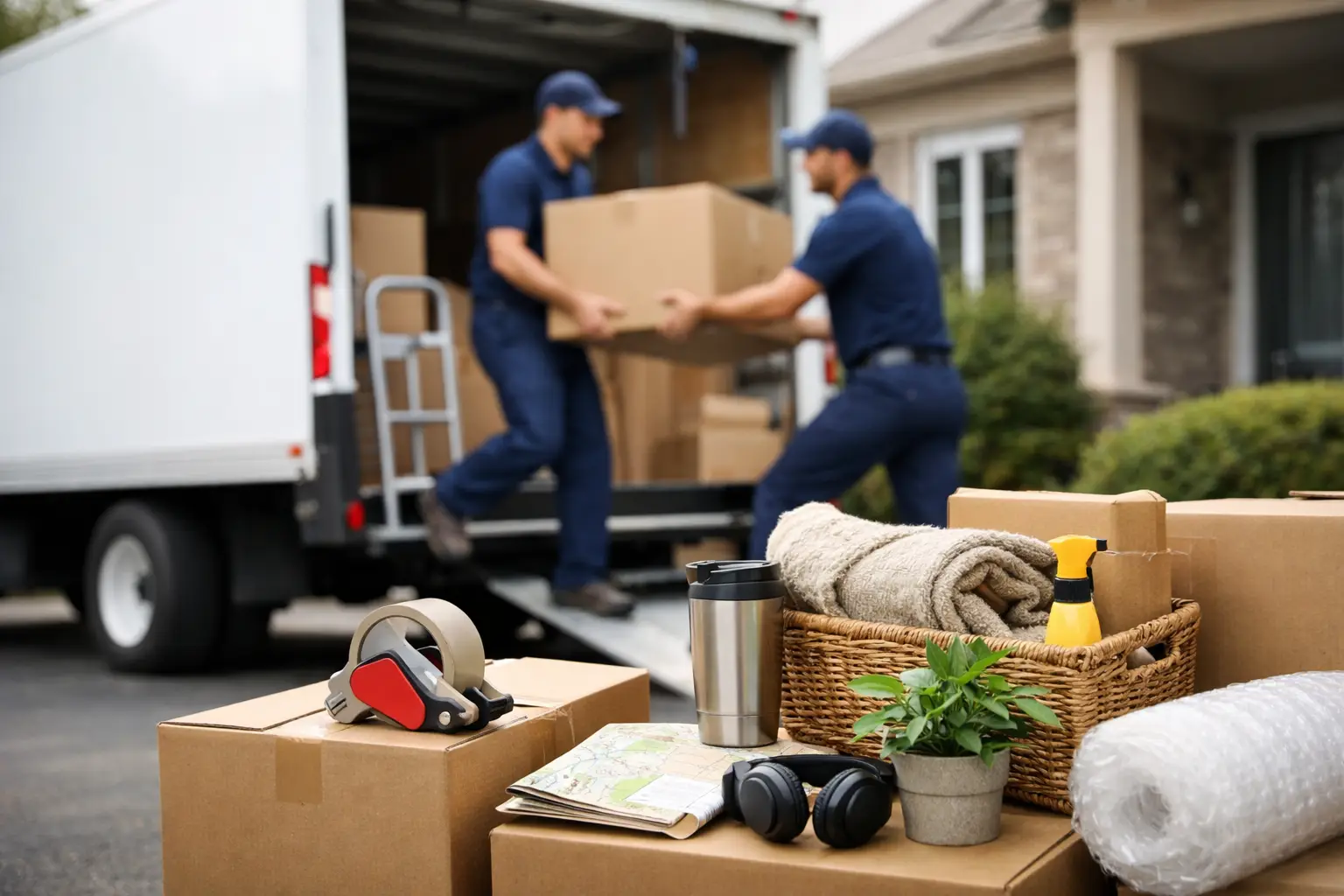
A move can be fully packed and still go sideways before noon. The missing charger, a dead phone battery, an unmarked box of medications, or no place to park the truck can create delays that cost time and money. The top moving day essentials are not just packing supplies. They are the practical items and plans that keep your household protected, your movers productive, and your first night in the new place manageable.
For households across Fort Worth and the DFW area, the right preparation also depends on the type of move. An apartment move may require elevator reservations and loading-zone access, while a house move may involve a long driveway, large furniture, or specialty items. Start with the basics, then adjust for the details of your property and move schedule.
Top Moving Day Essentials to Keep With You
The most important rule is simple: do not load everything you will need that day onto the moving truck. Pack a clearly labeled personal essentials bag or tote and keep it in your vehicle. It should stay with you from the old home to the new one.
Include identification, lease or closing paperwork, keys, wallet, medications, glasses, basic toiletries, and a change of clothes. If children or pets are part of the move, bring their immediate supplies as well, such as snacks, water, comfort items, leashes, waste bags, and any necessary records.
Your phone is your primary communication tool on moving day, so bring a charging cable and a fully charged portable battery. Keep the mover’s contact information, your new address, gate codes, and parking instructions in one easy-to-find place. A printed copy is worthwhile too. Phones get misplaced, batteries run down, and cellular service is not always reliable inside large apartment buildings or new developments.
It also helps to keep one small toolkit handy. A box cutter, scissors, permanent marker, tape measure, screwdriver set, utility knife, and a few zip ties handle many last-minute issues. Use the utility knife carefully and keep it out of reach of children.
The First-Night Box That Saves You Work
A first-night box is different from your personal bag. It contains the household basics you will need before the kitchen, bedrooms, and bathrooms are fully unpacked. Label it clearly on every side and load it last so it comes off the truck first.
For most moves, this box should include toilet paper, hand soap, paper towels, trash bags, cleaning wipes, a flashlight, batteries, simple tools, and a basic first-aid kit. Add disposable plates, cups, utensils, bottled water, and easy food. You may not have the energy or time to find cookware after a full day of moving.
Bed linens deserve special attention. Pack sheets, pillows, blankets, pajamas, and towels where they can be found immediately. A made bed is one of the fastest ways to make a new home feel functional after a long day. If your beds need to be assembled, make sure their hardware is bagged, labeled, and kept with the frame or in the first-night box.
Cleaning supplies are another practical essential. Even a clean-looking home may need a quick wipe-down before you unpack cabinets or use bathrooms. Bring multipurpose cleaner, sponges, a broom or small vacuum, and gloves. If you are leaving a rental, keep separate supplies available for final touch-ups at the property you are vacating.
Supplies That Protect Furniture and Floors
Packing materials should not disappear the moment the boxes are sealed. Keep extra tape, markers, moving blankets, stretch wrap, furniture pads, and a few spare boxes accessible until the move is complete. A box may split, a drawer may need to be secured, or an item may require extra padding after you see how it fits in the truck.
Furniture pads and stretch wrap are especially useful for protecting wood finishes, upholstery, and corners during loading. They also help prevent drawers and doors from opening in transit. Proper protection matters even more for pieces with sentimental or financial value, including antique furniture, glass tabletops, artwork, and electronics.
Floor protection is worth planning before the crew arrives. Cardboard, reusable floor runners, or protective coverings can reduce dirt and scuff marks in high-traffic areas. This is particularly helpful during rainy weather or when you are moving in or out of an apartment with strict property-condition requirements.
Do not use tape directly on finished wood, painted surfaces, or delicate upholstery. It can leave residue or damage the finish. Use moving pads, stretch wrap, or appropriate protective materials instead.
Access, Parking, and Building Details Matter
Some of the biggest moving-day problems happen outside the front door. Confirm where the moving truck can park and whether the location requires permits, reserved spaces, gate access, or advance notice. A long carry from the truck to the home can slow the move and may affect an hourly estimate.
If you are moving from or into an apartment, condominium, or townhome, contact the property manager before moving day. Ask about elevator reservations, loading dock hours, certificate-of-insurance requirements, parking rules, and any limits on moving times. Many properties require these details in advance, not when the truck arrives.
Walk through both locations before loading begins. Identify narrow hallways, low-clearance areas, staircases, fragile flooring, and furniture that may need to be disassembled. Point out items that need extra care. Clear communication at the start helps movers plan the safest route and avoid unnecessary delays.
This is also the time to separate anything that should not go on a moving truck. Flammable liquids, propane tanks, aerosol cans, certain chemicals, and perishable food may require special handling or disposal. When in doubt, ask your moving company what it can safely transport.
Water, Food, and a Realistic Schedule
Moving is physical work, even when professional movers handle the heavy lifting. Keep bottled water available for your household and make a plan for meals. Quick snacks such as fruit, protein bars, sandwiches, and crackers are easier than stopping the entire move for a restaurant meal.
Build extra time into the schedule for cleaning, key exchanges, traffic, elevator waits, and unexpected packing. In the DFW metroplex, travel times can shift quickly with construction, weather, and rush-hour traffic. A move that looks simple on a map may involve a much longer route at the wrong time of day.
If possible, have children and pets stay with a trusted family member, friend, or sitter during the busiest part of the move. It is safer for them and gives you room to focus on decisions that cannot wait. If they need to remain on-site, designate one quiet room or secure area that movers will not enter until the end.
A Final Checklist Before the Truck Leaves
Before the last box is loaded, take a deliberate walk through every room, closet, cabinet, attic space, garage, and outdoor area. Check behind doors and inside appliances. People commonly leave chargers, documents, cleaning supplies, curtain rods, and small items in drawers.
Make sure you have these details handled before departure:
- Your essentials bag, first-night box, valuables, and medications are with you.
- Utilities are scheduled correctly at both addresses.
- Keys, remotes, gate fobs, and mailbox information are accounted for.
- Furniture assembly hardware and appliance cords are labeled and secured.
- The old property has been photographed after it is empty, if needed for a rental record.
- You have confirmed the new address, parking plan, and best contact number with the moving crew.
For specialty items such as pianos, gun safes, pool tables, and large organs, do not treat them like standard furniture. They require trained handling, the right equipment, and a clear plan for access at both properties. Share accurate details with your mover ahead of time, including dimensions, stairs, tight turns, and the destination room.
A fully insured, professional moving team can handle the heavy work, but preparation still makes a measurable difference. Great White Moving Company Fort Worth recommends keeping the essentials close, confirming access details early, and speaking up about items that need special care. Clear information helps protect your belongings and keeps the day moving at the pace you expected.
When the truck doors close, take one last breath before rushing into unpacking. Get the beds made, set up the bathroom, charge your phone, and handle one room at a time. A calm first evening is often the best sign that moving day was planned well.
