
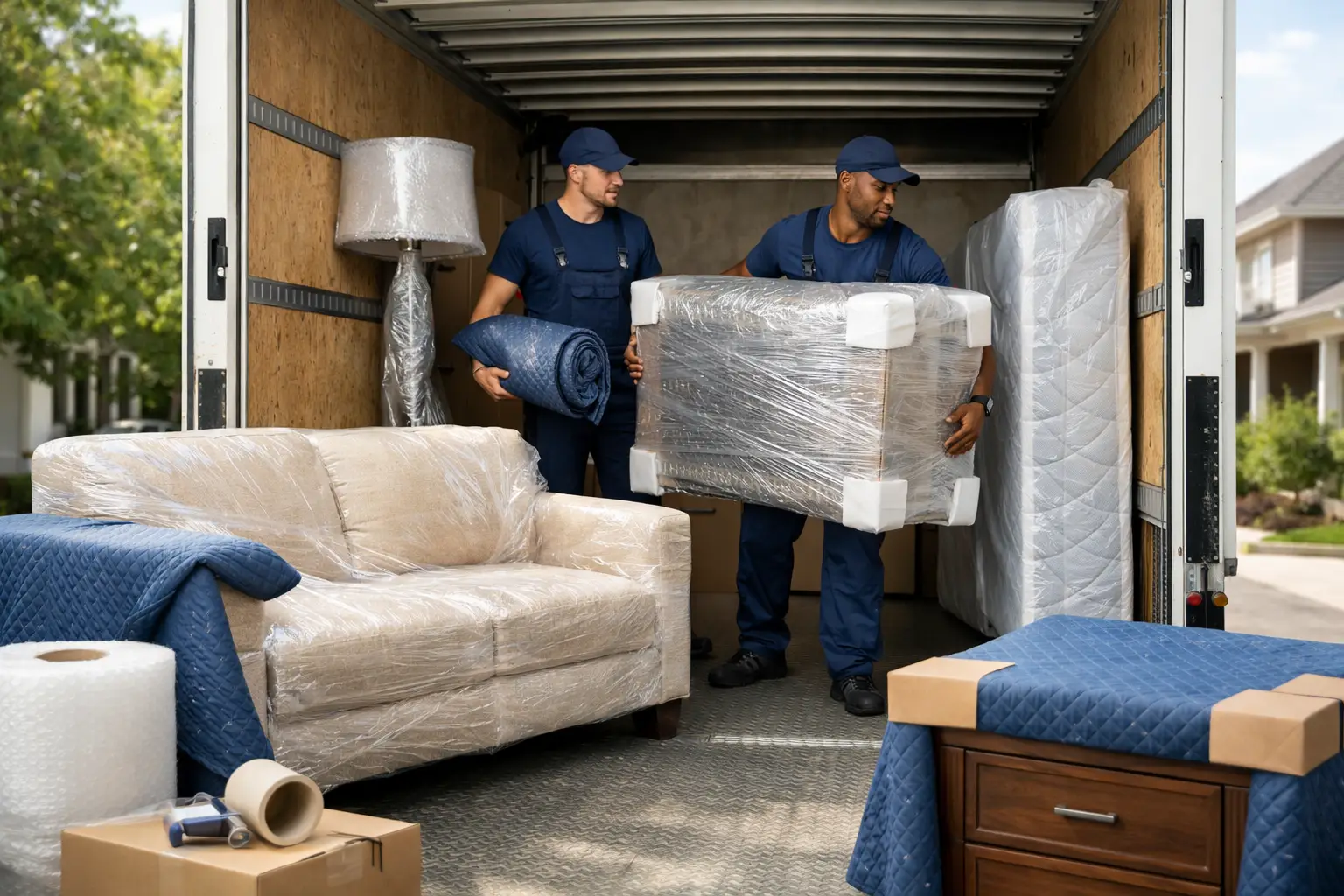
A sofa can look perfectly fine in your living room and still pick up a torn corner, scratched leg, or water stain between the front door and the moving truck. The best ways to protect furniture come down to planning the route, using the right materials, and handling every piece as if the next bump could cause damage. That level of care matters whether you are moving across Fort Worth or relocating across Texas.
Furniture damage usually happens in a few predictable moments: while carrying an item through a tight doorway, loading it without enough padding, shifting it in the truck, or setting it down on an unprotected surface. A little preparation can prevent expensive repairs, frustrating claims, and the disappointment of seeing a favorite piece arrive damaged.
Best Ways to Protect Furniture Before Moving Day
Protection starts before the truck arrives. Waiting until moving day to decide how to wrap furniture often leads to rushed packing, missing supplies, and avoidable shortcuts.
Measure furniture, doorways, and tight turns
Measure large pieces such as sectionals, armoires, dining tables, refrigerators, and headboards. Then measure doorways, stair landings, elevator openings, hallways, and any narrow turns between the room and the truck. Knowing what will fit helps you decide whether a piece needs to be partially disassembled before it is moved.
This step is especially useful in apartments, older homes, and townhomes with tight stairways. Removing a table leg or taking a door off a large cabinet may take a few extra minutes, but forcing a bulky piece through an opening can damage both the furniture and the property.
Empty, clean, and inspect each piece
Remove everything from drawers, cabinets, desks, and storage benches unless the piece is very lightweight and stable. Loose items add weight, shift during transport, and can break drawer slides or damage the interior. For filing cabinets, empty the drawers completely. Paper is heavier than it looks.
Wipe down furniture before wrapping it. Dirt or small debris trapped under a moving blanket can rub against wood, leather, or upholstery. Take clear photos of high-value pieces, existing scratches, glass tops, and delicate finishes before packing. Documentation is useful for your own records and helps establish the item’s condition before the move.
Disassemble what should not travel assembled
Some furniture is safer in separate pieces. Bed frames, large tables, entertainment centers, modular sectionals, and shelving units are common examples. Keep screws, bolts, brackets, and small hardware in labeled bags, then tape the bag securely to a protected part of the item or place all hardware in one clearly marked moving box.
Do not disassemble a piece just because it can come apart. Older furniture, glued joints, antiques, and particleboard items can become weaker when repeatedly taken apart. If you are unsure, ask experienced movers to assess the item before handling it.
Use the Right Protection for Each Furniture Material
One layer of plastic is not a complete furniture protection plan. Different surfaces need different materials, and the wrong wrap can create problems of its own.
Wood furniture needs padding and edge protection
Use clean moving blankets or furniture pads as the main protective layer for dressers, tables, nightstands, bookcases, and wood frames. Secure the pads with stretch wrap or packing tape placed over the blanket, not directly on the wood. Tape can lift finish or leave residue, particularly on older or delicate pieces.
Pay close attention to corners, legs, carved details, and thin trim. Cardboard corner protectors or extra folded padding can reduce damage if the item brushes a wall, truck ramp, or another piece of furniture.
Upholstered furniture needs breathable coverage
Sofas, chairs, mattresses, and fabric headboards need protection from dirt, moisture, and tears. Furniture pads are best for transport because they cushion the item against impact. A sofa cover or plastic wrap can provide an outer barrier against rain or truck dust, but avoid sealing upholstery in plastic for long-term storage. Trapped moisture can lead to odors, mildew, or discoloration.
For leather furniture, use padded blankets first and avoid excessive tension from stretch wrap. Tight wrapping can leave pressure marks, especially in hot conditions.
Glass, mirrors, and stone require separate handling
Remove glass tabletops, mirrors, detachable shelves, and marble pieces whenever possible. Wrap them individually in packing paper or foam, add cardboard protection to the face and edges, and clearly mark them as fragile. Never lay a large mirror or glass tabletop flat under heavy items.
Stone tops and glass pieces are heavy as well as breakable. They should be carried upright when appropriate, secured so they cannot shift, and loaded where other furniture cannot press against them.
Protect Furniture While Carrying and Loading
Even well-wrapped furniture can be damaged by poor handling. The path from the room to the truck deserves the same attention as the wrapping process.
Clear walkways before moving begins. Remove rugs, cords, toys, small tables, and anything that can create a trip hazard. Protect door frames, stair rails, and sharp wall corners when moving large items through narrow areas. This protects the home as well as the furniture.
Use the right equipment instead of relying on strength alone. Dollies, hand trucks, lifting straps, sliders, and shoulder harnesses reduce the chance of dropping an item or dragging it across a floor. Furniture sliders are useful for moving heavy pieces across hardwood, tile, or carpet, but they are not meant for carrying furniture down stairs.
When loading a truck, place heavy, sturdy items against the front wall and distribute weight evenly from side to side. Keep taller items upright when their construction allows it. Use moving pads between pieces and secure each section with straps. Furniture should not be able to lean, roll, or slide when the truck turns, brakes, or travels over uneven roads.
A common mistake is packing the truck tightly without securing the load. Tight is not always stable. A dresser can still shift against a table, and a protected chair can still be crushed by an unsecured box stack.
Avoid These Common Furniture Protection Mistakes
The fastest way to save time on moving day is to avoid fixes that create more work later. Four mistakes cause a large share of furniture damage:
- Dragging furniture across floors instead of using sliders or lifting equipment.
- Wrapping wood, leather, or upholstery directly with tape.
- Leaving drawers, shelves, and removable glass parts unsecured.
- Loading furniture without blankets, straps, or space between hard surfaces.
Another issue is using household blankets that have zippers, buttons, rough seams, or dirt on them. They may be fine for extra cushioning, but professional moving pads are designed to protect surfaces without adding new risks.
Consider Professional Packing for High-Value Pieces
Some furniture is too valuable, heavy, or awkward to treat as a do-it-yourself project. Antiques, large glass cabinets, solid wood dining sets, adjustable beds, pianos, pool tables, and oversized safes often require specialized equipment and trained handling.
Professional movers can bring the furniture pads, shrink wrap, dollies, straps, and truck-loading experience needed to reduce risk. More importantly, they know how to maneuver difficult pieces through doorways and how to build a stable load. When comparing moving companies, ask whether they are insured, what protection they use, and whether specialty-item handling is available.
Great White Moving Company Fort Worth provides packing support and careful moving services for households and businesses that want experienced help with furniture, specialty items, and the details that make a move less stressful. Clear estimates and proper preparation can make a major difference when you are trusting someone with the belongings that make your house feel like home.
Protect Furniture in Storage, Too
If furniture will spend time in storage between moves, use a clean, dry, climate-controlled space whenever the material or value justifies it. Wood can swell or crack in extreme moisture changes, leather can dry out, and upholstery can absorb odors in poorly ventilated units.
Keep furniture off concrete floors with pallets, boards, or a protective barrier. Leave a little space around each piece for airflow, and do not stack heavy boxes on upholstered cushions or fragile tabletops. Moving blankets work well during transport, but use breathable covers for extended storage rather than sealing furniture in plastic.
The best protection is rarely one expensive product. It is a series of careful decisions: measure first, wrap correctly, use proper equipment, secure the truck, and get professional help when the item or situation calls for it. That approach protects your furniture, your home, and your peace of mind before the first box is loaded.
