
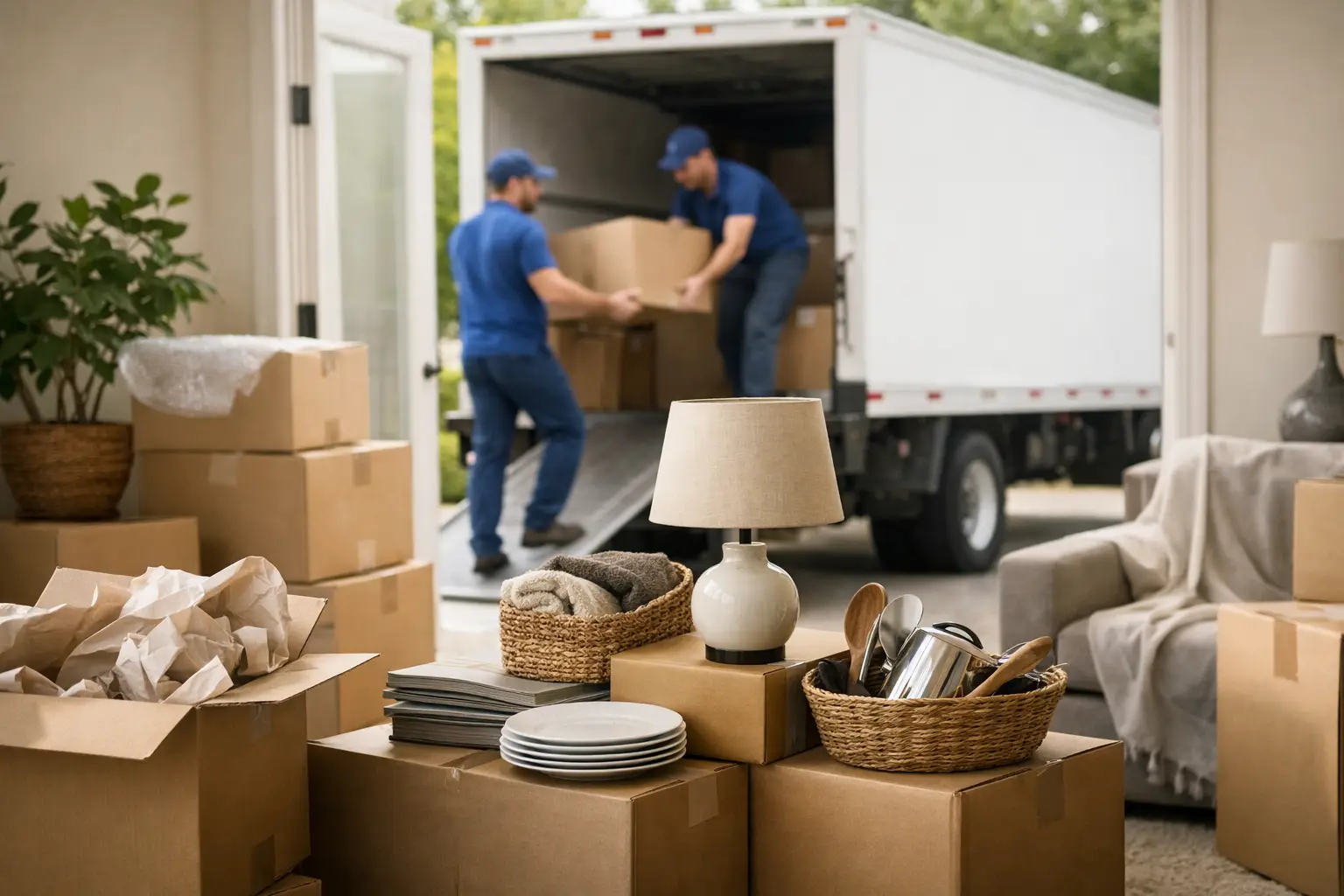
The boxes are inside, the truck is gone, and now the real question starts nagging at you – how to unpack after moving without turning your new place into a bigger mess than the old one. Most people hit this stage tired, short on patience, and tempted to open five boxes at once. That usually creates more stress, not less. A better approach is to make the house livable first, then functional, then finished.
How to unpack after moving in the right order
Unpacking goes faster when you stop thinking about the whole house and start thinking about what you need by tonight, by this week, and by later. That small shift matters. It keeps you from spending an hour arranging bookshelves when you still cannot find bath towels or phone chargers.
Start with the essentials box or boxes if you packed them ahead of time. This should cover medications, toiletries, a few changes of clothes, chargers, important papers, basic tools, pet supplies, and enough kitchen items to get through a day or two. If those items were not packed together, your first job is to find them before anything else. Until you can shower, sleep, eat, and charge your phone, the move is not really under control.
After that, focus on the rooms that support daily life. In most homes, that means the bedroom, bathroom, and kitchen. A home office may move higher on the list if you work remotely. For families with young kids, children’s rooms may need to come before almost everything else. There is no single perfect order. The right order is the one that reduces stress fastest for your household.
Set up the bedroom first
People often skip the bedroom because it feels less urgent than the kitchen. By the end of the day, that decision catches up with them. If your bed frame is not assembled, your sheets are buried, and your pillows are missing, the first night can feel harder than it needs to.
Make the bed early, even if the rest of the room stays half done for a while. Put together enough clothing to get through several days and choose one spot for laundry. That gives you a place to reset when the rest of the house still looks unfinished.
If you moved with dressers, nightstands, or lamps, place them once instead of shifting them three times. You do not need to make every room perfect right away, but it helps to decide on the basic furniture layout before you unpack drawers and closets.
Get the bathroom functional fast
A working bathroom makes a home feel settled almost immediately. Unpack shower supplies, hand soap, towels, toilet paper, and a trash can. Put medications in a safe, consistent place, especially if children are in the home.
This is also a good room to fully finish early because it is small and high impact. When one room is completely done, the move feels more manageable. That momentum helps with the larger spaces.
Unpack the kitchen in stages
The kitchen can eat up half a day if you try to do all of it at once. The better move is to unpack it in layers. First, handle what you need for the next 24 to 48 hours: coffee supplies, plates, cups, utensils, a pan, paper towels, dish soap, and a few basic groceries. Then set up the refrigerator and pantry. After that, deal with less-used gadgets, serving dishes, and specialty cookware.
If the cabinets were not mapped out before moving day, pause before unloading every box. Think through how you actually cook and move through the space. A convenient kitchen is not about copying your old setup. It is about fitting your habits to the new layout.
Fragile items deserve a little extra patience here. Do not rush glassware and dishes just because you want the counters clear. If anything looks chipped or cracked, set it aside immediately so no one gets cut later.
How to unpack after moving when every room feels urgent
When the whole house feels equally important, use a simple filter: safety first, sleep second, routine third. Safety means clearing walkways, moving sharp tools out of reach, flattening or removing boxes, and making sure heavy items are stable. Sleep means getting beds ready and window coverings up if needed. Routine means setting up the spaces that allow work, school, meals, and normal mornings to happen.
That filter helps when you are torn between tasks. It also keeps you from spending energy on low-value unpacking, like decor, before the basics are handled.
There is also a practical reason to avoid unpacking everything immediately. Once furniture is in place and you have lived in the home for a few days, you may realize the first plan was not the best one. Leaving some nonessential boxes sealed for a short time can save you from redoing closets, cabinets, and storage areas.
Break down boxes as you go
Cardboard piles up fast. So does packing paper, tape, and plastic wrap. If you leave all of it until the end, your new home stays cluttered longer and moving around becomes harder.
Flatten empty boxes as each room progresses. Keep one area for trash and one for materials worth saving, especially if you expect to reorganize more this week. If children or pets are in the house, this matters even more. Loose packing material and stacked boxes can create tripping hazards and make an already busy home harder to manage.
If you hired professional movers, check that all major items arrived in the expected condition before too much packaging disappears. It is easier to spot issues while the move is still fresh in your mind.
Be careful with heavy and specialty items
Not everything should be unpacked casually. Safes, large mirrors, stone tops, workout equipment, pianos, and other bulky items should already be placed correctly before boxes are opened around them. Moving them again after unpacking the room adds risk to both your belongings and your floors.
This is one area where cutting corners can get expensive. If you have specialty items that were delivered into position, unpack around them slowly and confirm they are level, stable, and clear of door swings or tight walkways. A rushed adjustment later can lead to damage that was avoidable.
Give yourself a decision limit
Unpacking is tiring partly because it requires constant choices. Where should this go? Do we still need this? Should this stay in the kitchen or move to the garage? After a few hours, decision fatigue sets in and progress slows down.
To avoid that, make only the decisions that matter for now. Choose a home for daily-use items. Create temporary zones for anything you are unsure about. Label one box or bin for items to donate and another for items that need repairs or a better storage plan later.
You do not need to solve your entire household system in one weekend. You need a home that works. Refining it can come next.
When to push through and when to stop
There is a difference between productive momentum and making tired mistakes. If you are placing things carefully, breaking down boxes, and seeing steady progress, keep going. If you are losing track of where things are, opening random boxes, or getting frustrated with family members, stop for the day.
A short reset helps more than forcing another two hours of bad unpacking. Eat something, take out the trash, and choose one small goal before bedtime, like finishing the bathroom or clearing the living room floor. That creates a visible win without draining the rest of your energy.
A realistic timeline for settling in
Most people can get the essentials done on day one, the key rooms mostly functional within two to three days, and the nonessentials finished over the next couple of weeks. Larger homes, busy work schedules, and family logistics can stretch that timeline, and that is normal.
If you are moving within a busy market like Fort Worth or the broader DFW area, there is often pressure to bounce back quickly because work, school, and traffic do not wait. Even so, rushing every detail usually backfires. A controlled unpacking plan is faster in practice because you spend less time searching, redoing, and second-guessing.
If you want the move to feel stress-free, do not measure success by how fast every box disappears. Measure it by how quickly your home becomes comfortable, safe, and easy to live in. That is the kind of progress you actually feel.
